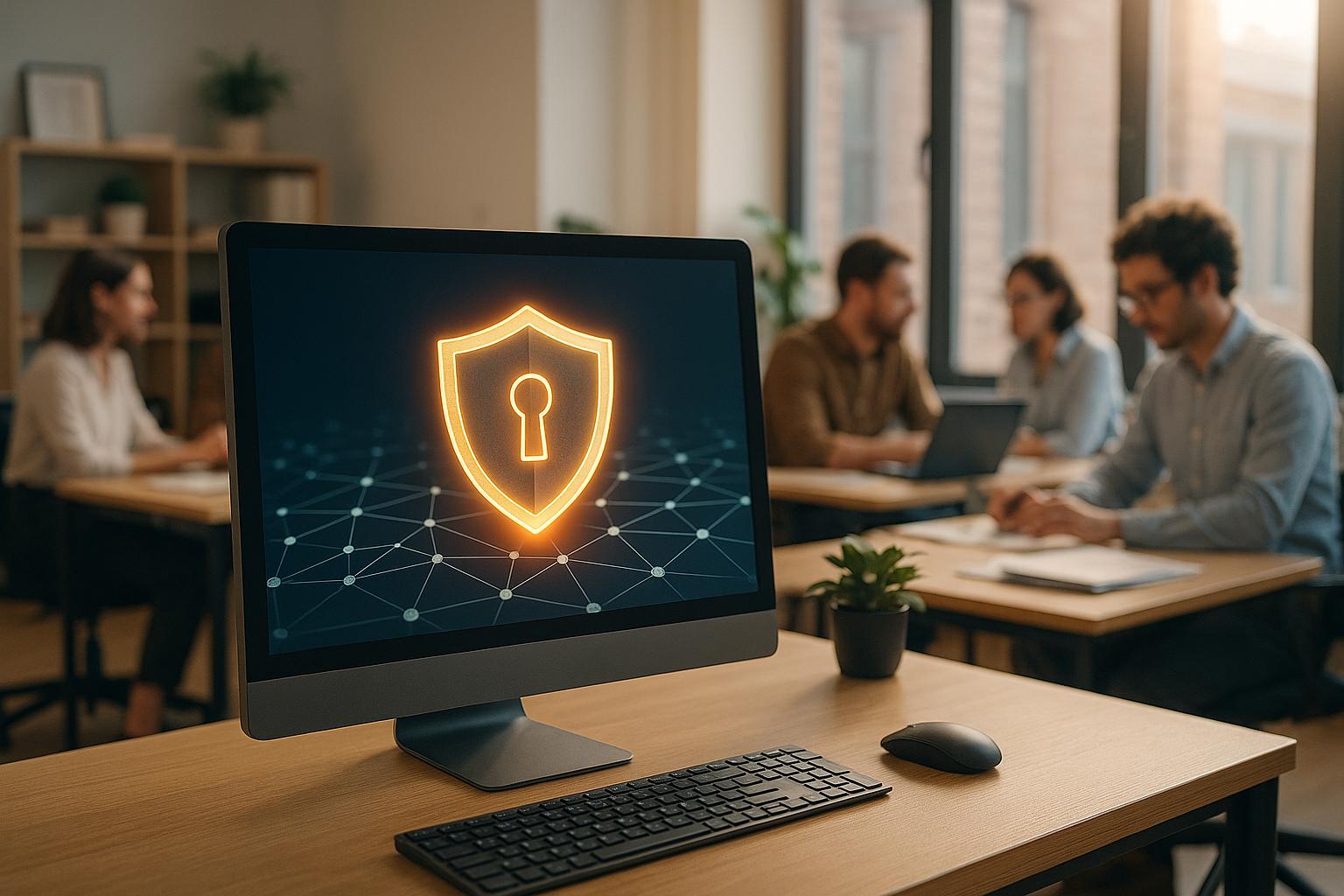
Small and medium-sized businesses (SMBs) are prime targets for cyberattacks, with 43% of all attacks aimed at them. Yet, most SMBs are underprepared, and many falsely believe they’re too small to be targeted. The financial and operational impacts can be devastating, with 60% of SMBs shutting down within six months of a breach. Here's how to protect your business:
- Train Employees: Human error causes 68% of attacks. Regular training and phishing simulations can reduce risks.
- Strengthen Passwords: Use strong, unique passwords and implement multi-factor authentication (MFA).
- Keep Systems Updated: Unpatched software accounts for 80% of breaches. Enable automatic updates.
- Invest in Endpoint Protection: Use next-gen antivirus and Endpoint Detection and Response (EDR) tools.
- Back Up Data: Follow the 3-2-1 backup rule and use immutable storage to safeguard against ransomware.
- Create Response Plans: Have a clear incident response plan to minimize damage and downtime.
For SMBs lacking in-house expertise, partnering with managed IT services can deliver enterprise-grade security at an affordable cost. Don’t wait for an attack - start protecting your business today.
Essential Cybersecurity Tips Every SMB Must Know! 🛡️ #cybersecurity #techtips #businesssecurity
Common Malware Threats Targeting SMBs
Understanding the specific threats your business faces is crucial for building strong defenses. Cybercriminals have become adept at targeting the unique weaknesses of small and medium-sized businesses (SMBs), making certain types of malware particularly harmful. Here’s a closer look at the major malware threats that SMBs should be aware of.
Ransomware: A Costly Disruption
Ransomware remains one of the most destructive threats for SMBs. This type of malware encrypts critical business files and demands payment for a decryption key, causing financial losses that often extend far beyond the ransom itself. Alarmingly, 14% of SMBs have already experienced ransomware attacks. Such attacks can bring operations to a standstill. In one case, a prolonged attack resulted in widespread encryption and data theft, leaving the business inoperable.
The financial toll is staggering. Last year, U.S. small businesses paid an average of $16,000 in ransoms. Yet, paying up doesn’t guarantee recovery - only half of the businesses that paid a ransom regained their data, while many were forced to rebuild their systems entirely. Worse still, 27% of victims were re-attacked, and another 27% faced additional ransom demands. For many SMBs, ransomware can spell the end of the road; 75% of SMBs admit they couldn’t survive such an attack. A grim example is the Stoli Group’s U.S. subsidiaries, which filed for Chapter 11 bankruptcy in November 2024. A severe ransomware attack disabled their enterprise resource planning system, contributing to an $84 million debt burden.
Phishing: Exploiting Human Error
Phishing attacks exploit human vulnerabilities, making them especially dangerous for SMBs where employees often juggle multiple responsibilities without specialized security training. These attacks have become a leading entry point for cybercriminals. Shockingly, 90% of cyberattacks begin with phishing, and social engineering tactics account for up to 98% of all cyberattacks.
"Social engineering attacks represent one of today's biggest cybersecurity risks, currently ranking as the second most common source of data breaches after compromised credentials, according to the latest IBM data."
Phishing comes in many forms - email phishing, SMS phishing (smishing), voice phishing (vishing), and sophisticated Business Email Compromise (BEC) schemes. In BEC attacks, criminals impersonate executives or trusted vendors to trick employees into transferring money or sensitive data. 48% of SMBs report receiving phishing emails or text messages. The financial fallout can be devastating, with the average cost of a data breach caused by social engineering reaching $4.5 million.
Fileless Malware: The Invisible Threat
Fileless malware is a growing danger that operates in system memory, making it nearly impossible for traditional antivirus software to detect. Unlike file-based malware, which relies on malicious files, fileless malware uses system memory to carry out attacks. According to the Ponemon Institute, fileless attacks are 10 times more likely to succeed than file-based attacks. The numbers are alarming, with a 1,400% year-over-year increase in fileless attacks.
This type of malware often uses legitimate administrative tools and system processes, allowing attackers to bypass traditional endpoint detection systems. Cybercriminals are repurposing Trojans and droppers to evade antivirus defenses and deploy new malware. These multi-staged, evasive attacks are becoming the standard, making them harder to prevent and detect.
Ransomware, phishing, and fileless malware each target different vulnerabilities - whether technical gaps or human error. Together, they create a dangerous landscape for SMBs. These threats highlight the pressing need for SMBs to adopt stronger, more adaptive security measures to stay ahead of evolving cyber risks.
Core Malware Prevention Practices
Defending against malware effectively requires a multi-layered strategy that tackles both technical vulnerabilities and the human element. With statistics showing that human error accounts for 95% of cybersecurity breaches and 80% of hacking incidents involve stolen credentials, small and medium-sized businesses (SMBs) can significantly lower their risks by adopting essential prevention measures. By understanding the threats posed by malware, these practices offer SMBs actionable steps to mitigate risks and address vulnerabilities.
Employee Training and Awareness Programs
Employees often serve as both the first line of defense and a potential weak link in cybersecurity. A staggering 68% of cyberattacks involve a human factor, making employee education a key priority. Unfortunately, many SMBs mistakenly believe they are too small to be targeted, a misconception that cybercriminals exploit.
"Employee training is crucial for maintaining the security of our business. Many cyber attacks exploit human error, making our staff the first line of defense." - Saturn Partners
Effective training begins with tailoring programs to fit employee roles. Those handling sensitive data need in-depth training, while others may only require basic awareness. Scenario-based exercises, like phishing simulations, can test employees' ability to recognize and respond to threats. Training should also include mobile security protocols, emphasizing the dangers of unsecured networks and unauthorized software downloads.
To ensure continued improvement, track reported incidents and provide ongoing learning opportunities through workshops, webinars, and newsletters. These efforts reinforce good practices and keep employees engaged in maintaining security.
But training alone isn’t enough - securing access with strong credentials is equally important.
Password Security and Access Controls
Weak passwords remain one of the easiest ways for cybercriminals to infiltrate SMB systems, with many breaches starting from compromised credentials.
"Small to medium businesses are a regular target for malicious hackers and a common entry point for digital thieves is stolen or weak passwords." - CISA
To strengthen defenses, enforce robust password policies requiring unique, 16+ character passwords that include a mix of uppercase and lowercase letters, numbers, and symbols. Enterprise-level password managers can help employees securely create, store, and manage these complex credentials.
Adding multi-factor authentication (MFA) - such as codes sent via text, authenticator apps, or biometric verification - provides an additional layer of security. Default credentials should be changed immediately, and Role-Based Access Control (RBAC) should be implemented to limit employees' access to only the data and systems necessary for their roles. Regularly audit access rights to detect and prevent misuse.
"Employees should follow best practices for password management, such as using a password manager to store passwords securely and avoiding the use of the same passwords for multiple accounts." - GXA
While strong access controls are vital, keeping systems and software updated is another critical step.
Regular System and Software Updates
Keeping software up to date is one of the simplest yet most effective ways to protect against malware. A 2022 Ponemon Institute report revealed that unpatched vulnerabilities were responsible for 80% of successful breaches.
"Software updates may be the single best way to protect businesses from cyberattacks." - Gallagher Security
The infamous WannaCry ransomware attack in 2017, which affected over 200,000 computers across 156 countries, highlights the dangers of neglecting updates. Despite Microsoft releasing a security patch a year before the attack, only systems that failed to install the update were compromised.
Enable automatic updates for operating systems and third-party software wherever possible. Establish a patch management routine and maintain an up-to-date inventory of all systems and software in your organization. Educate employees on the importance of timely updates, encouraging them to enable automatic updates and consult IT support before installing any new software on company devices. Additionally, verify that your vendors regularly update their systems, as breaches on their end can have serious consequences for your business. Finally, have a rollback plan in place to quickly restore functionality if an update causes unexpected issues.
Advanced Security Measures for SMBs
Basic security measures are a good starting point, but in today’s increasingly complex threat landscape, they’re simply not enough. With ransomware attacks surging by 73% in 2023 and 43% of cyberattacks targeting small businesses, small and medium-sized businesses (SMBs) need to step up their defenses. Advanced security measures provide the layered protection necessary to combat modern, sophisticated threats.
Endpoint and Network Protection
Traditional antivirus tools are no match for today’s malware, which can easily bypass signature-based detection. That’s where next-generation antivirus (NGAV) and Endpoint Detection and Response (EDR) solutions come in. NGAV uses machine learning and AI to identify unknown threats, while EDR systems monitor endpoints in real time, flagging any suspicious activity.
Unlike traditional antivirus software, EDR doesn’t just block known threats - it actively looks for unusual behavior that might indicate malware, even if it’s a brand-new variant. For example, National Australia Bank partnered with CrowdStrike to bring enterprise-grade cybersecurity to SMBs. One security manager from a small gambling company shared their experience:
"I'm a one-man Security shop, so Falcon [Go] is like the security team we can't afford to hire. When there is an incident, having everything in one place makes my life significantly easier than it would be with half a dozen different products doing the same work." – Security Manager, Small Business Gambling Company
In addition to EDR, Managed Detection and Response (MDR) services provide around-the-clock expert monitoring. Next-generation firewalls (NGFWs) add another layer of defense by analyzing traffic at the application level, identifying threats based on behavior rather than simply relying on port and protocol data. To further strengthen network defenses, consider implementing network segmentation. By isolating critical systems from general traffic, you can limit the spread of malware if one part of the network is compromised.
Finally, don’t overlook the importance of a robust data backup system to ensure you can recover quickly in the event of an attack.
Data Backup and Recovery Systems
When ransomware strikes, having up-to-date backups can mean the difference between a quick recovery and a disaster. With 85% of managed service providers reporting ransomware attacks against their clients in the past two years, reliable backups are a critical safeguard.
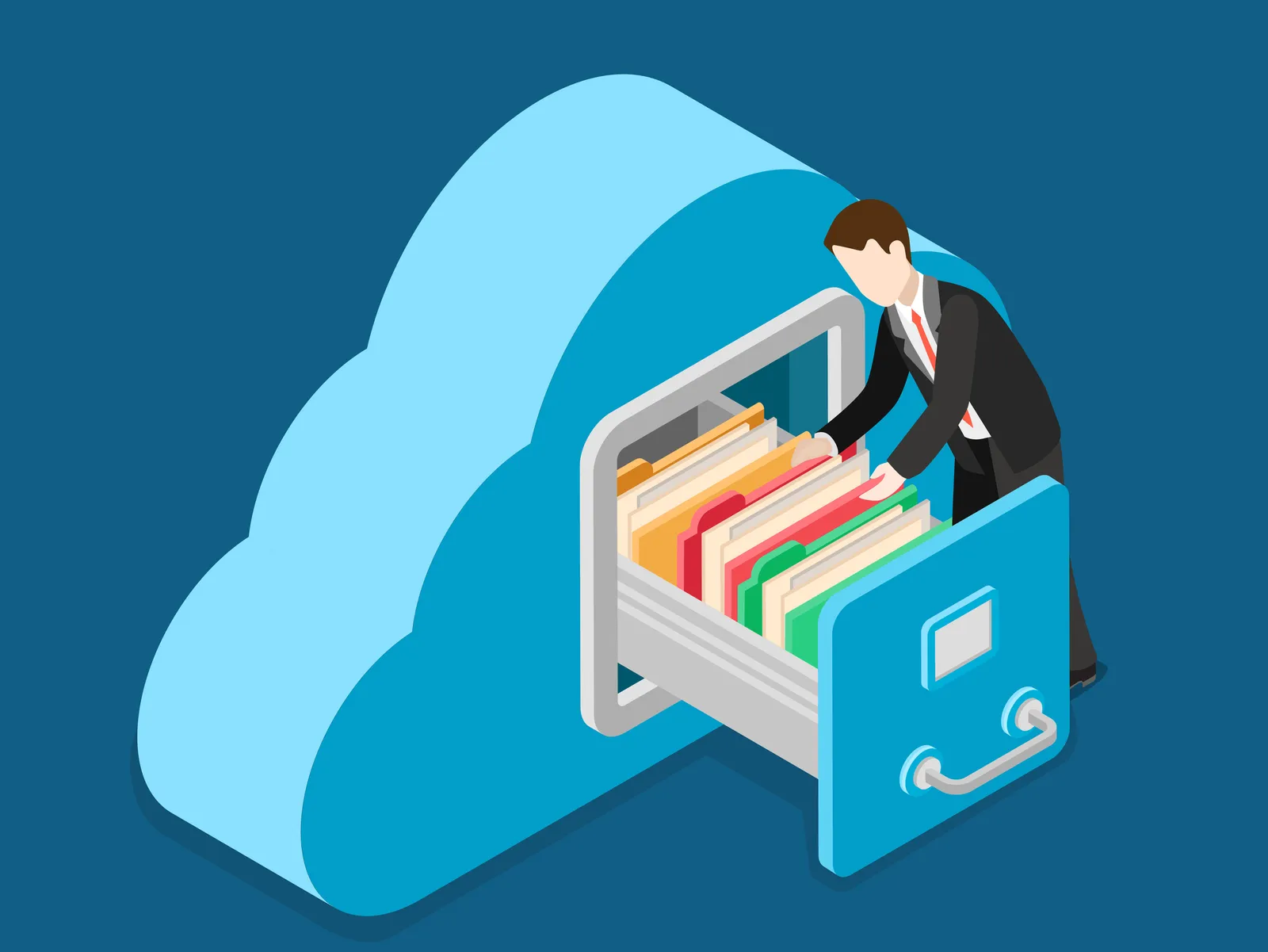
The 3-2-1 backup rule is a time-tested strategy: keep at least three copies of your data, store them on two different types of media, and ensure at least one copy is kept offsite. Automating backup schedules - whether nightly or weekly - reduces the risk of human error and ensures consistency. Your backup strategy should also align with your Recovery Time Objective (RTO) and Recovery Point Objective (RPO). Encrypting backups both in transit and at rest adds another layer of security, particularly for sensitive or regulated data.
Immutable storage is another game-changer. These backups can’t be altered or deleted, even if attackers gain access to your systems. Regular testing - whether monthly or quarterly - ensures your backups are functional and your team is ready to execute recovery procedures when needed. A hybrid approach, combining local storage for quick access with offsite cloud storage for redundancy, offers a balanced solution.
Once technical defenses are in place, formal policies and response plans are essential to complete your security framework.
Security Policies and Incident Response Plans
Having formal security policies and incident response plans isn’t just about checking a box - it’s about being prepared when the unexpected happens.
"I guarantee you, big company or small company, when you have a cybersecurity incident, you panic. It's human nature. It's how you recover from that moment of panic that is critical. Having a clear plan and designated individuals to respond effectively to a cyber attack can significantly minimize damage and recovery time." – Shawn Duffy, President of Duffy Compliance
Your security policies should outline acceptable use of company devices, password requirements, data handling protocols, and the consequences of policy violations. Meanwhile, your incident response plan should clearly define roles and responsibilities, establish communication channels, and provide step-by-step guidance for handling different types of incidents. Testing these plans through tabletop exercises and simulated phishing attacks ensures they’ll work when it matters most. Make sure to document key contacts, including personnel, vendors, law enforcement, and legal counsel.
The stakes are high: in 2023, the average cost of business interruptions caused by cyber incidents was $370,000. And as Shawn Duffy points out:
"A lot of SMBs believe that they are insignificant in the larger landscape, so they won't be targeted, and nothing could be further from the truth. The reality is hackers don't care how big you are; what they care about is opportunity." – Shawn Duffy, President of Duffy Compliance
sbb-itb-6052d70
Using IT Support for Malware Prevention
In 2023, 73% of small and medium-sized businesses (SMBs) experienced a data breach. Yet, only 14% felt they were adequately prepared, and a staggering 60% shut down within six months of an attack. For SMBs, partnering with professional IT support providers is a smart way to access enterprise-level security without breaking the bank. This partnership can address the vulnerabilities that often leave smaller businesses exposed.
Managed IT Services Benefits
Managed IT services offer a game-changing solution for SMBs by delivering continuous and proactive cybersecurity measures. Most small businesses simply don’t have the resources to maintain this level of protection on their own. For example, a 2024 report revealed that 57% of breaches could be prevented with timely software patches. Managed Service Providers (MSPs) take care of these updates automatically, ensuring businesses stay protected against new threats.
One of the standout benefits of managed IT services is 24/7 monitoring and threat detection. MSPs keep an eye on your systems around the clock, catching potential issues before they escalate. They also tackle one of the biggest weak points in cybersecurity: human error. Since 88% of cybersecurity failures are caused by human mistakes, MSPs provide essential training and phishing simulations to help employees recognize and avoid threats. This proactive approach can save businesses from the average $200,000 cost of a single cybersecurity breach.
Another critical service MSPs offer is comprehensive backup and recovery solutions. In the event of a ransomware attack, professionally managed offsite backups can mean the difference between a quick recovery and permanent business closure. MSPs develop business continuity plans to ensure operations can resume as quickly as possible after an incident.
For SMBs, hiring a full-time IT security team is often out of reach financially. Managed services solve this problem with predictable monthly fees, making it easier to budget for cybersecurity. Providers like IT Support Perth deliver tailored solutions, including FortiGate firewalls and AI-driven support, eliminating the need for costly in-house IT staff.
Regular Security Assessments and Audits
Regular security audits are essential for identifying vulnerabilities across all areas of a business - technical, administrative, and physical. Experts recommend conducting these audits annually or after significant system updates. By uncovering weaknesses before cybercriminals exploit them, these assessments provide a vital edge in the fight against malware.
Unlike basic vulnerability scans, professional security audits offer a deep dive into a company’s security posture. External experts bring fresh perspectives and specialized knowledge that in-house teams often lack. While the cost of these assessments can range from $1,000 to $50,000 depending on the scope and size of the business, they’re a worthwhile investment when compared to the financial and reputational damage of a breach. These audits also provide documentation for regulatory compliance, insurance claims, and customer trust, while establishing a baseline for tracking security improvements over time.
The assessment process typically includes penetration testing to mimic real-world cyberattacks and vulnerability management to prioritize and address the most severe risks. IT support providers ensure that the findings aren’t just documented but acted upon, helping businesses implement the necessary fixes to strengthen their defenses.
For SMBs partnering with providers like IT Support Perth, these regular audits are just one part of a broader security strategy. This comprehensive approach combines ongoing monitoring, patch management, and incident response planning to keep businesses ahead of evolving threats. By integrating these assessments into a larger security framework, expert IT providers help SMBs build a resilient cybersecurity posture that adapts to their changing needs.
Conclusion
Nearly half of cyberattacks target businesses with fewer than 1,000 employees. Alarmingly, 75% of small and midsize businesses (SMBs) would shut down following a ransomware attack, yet 51% of these companies have no cybersecurity measures in place at all. This gap between the risks and the readiness of SMBs creates a perfect opportunity for cybercriminals, making these threats a certainty rather than a possibility.
The upside? Protecting your business from malware doesn’t have to break the bank or demand advanced technical skills. Simple steps like employee training, enforcing strong password policies, keeping software updated, and maintaining comprehensive backups can significantly cut your risk. In fact, regular employee training alone has been shown to reduce cybersecurity risks from 60% to just 10% within the first year. For businesses that lack a dedicated IT team, seeking external expertise becomes a smart and necessary move.
By partnering with professional IT support services, such as IT Support Perth, SMBs can implement these critical practices and bolster their overall defenses. These partnerships provide access to enterprise-grade security tools, 24/7 system monitoring, and expert advice - all at a fraction of the cost of hiring an in-house team.
FAQs
What are the best ways for small and medium-sized businesses (SMBs) to protect themselves from ransomware?
How SMBs Can Protect Against Ransomware
Ransomware attacks can be devastating, but small and medium-sized businesses (SMBs) can take practical steps to protect themselves. One of the most important measures is training employees on security awareness. Teaching your team to recognize phishing emails and other suspicious activities can stop many attacks before they start.
Another critical step is implementing multi-factor authentication (MFA). This adds an extra layer of security, making it much more difficult for cybercriminals to access your systems. Keeping your software and systems updated is equally important since outdated programs often have vulnerabilities that hackers can exploit.
Prepare for the worst with a ransomware response plan. This should include regular data backups and clear disaster recovery protocols to minimize downtime and data loss. Conducting frequent security audits and using a layered security approach - combining firewalls, antivirus software, and intrusion detection systems - can further strengthen your defenses.
By taking these precautions, SMBs can reduce their exposure to ransomware threats and keep their operations running smoothly.
What steps can small businesses take to make employee cybersecurity training more effective?
Small businesses can make employee cybersecurity training more effective by centering it on practical, engaging, and straightforward content. Focus on essential topics like how to create strong passwords, spot phishing emails, and the importance of multi-factor authentication (MFA). Incorporating real-world scenarios and interactive simulations can help employees learn to identify and respond to potential threats more effectively.
It's also vital to refresh training materials regularly and carry out periodic assessments. This ensures employees stay up-to-date with the latest cyber risks. Beyond protecting sensitive data, this approach promotes a workplace culture that values and prioritizes security.
Why should SMBs work with managed IT services to prevent malware?
Small and medium-sized businesses (SMBs) often struggle to keep up with cybersecurity threats. Limited resources and expertise make it tough to stay ahead of risks like ransomware or phishing attacks. That’s where managed IT services step in, offering around-the-clock protection with advanced tools, expert knowledge, and continuous monitoring. This proactive approach not only helps prevent attacks but also reduces downtime and limits potential damage.
These providers go beyond just monitoring. They deliver essential services like regular security assessments, timely software updates, and employee training to help your team recognize and avoid threats. By strengthening your defenses and protecting sensitive data, managed IT services can build customer trust and free you up to focus on running and growing your business - without the constant worry about cybersecurity.